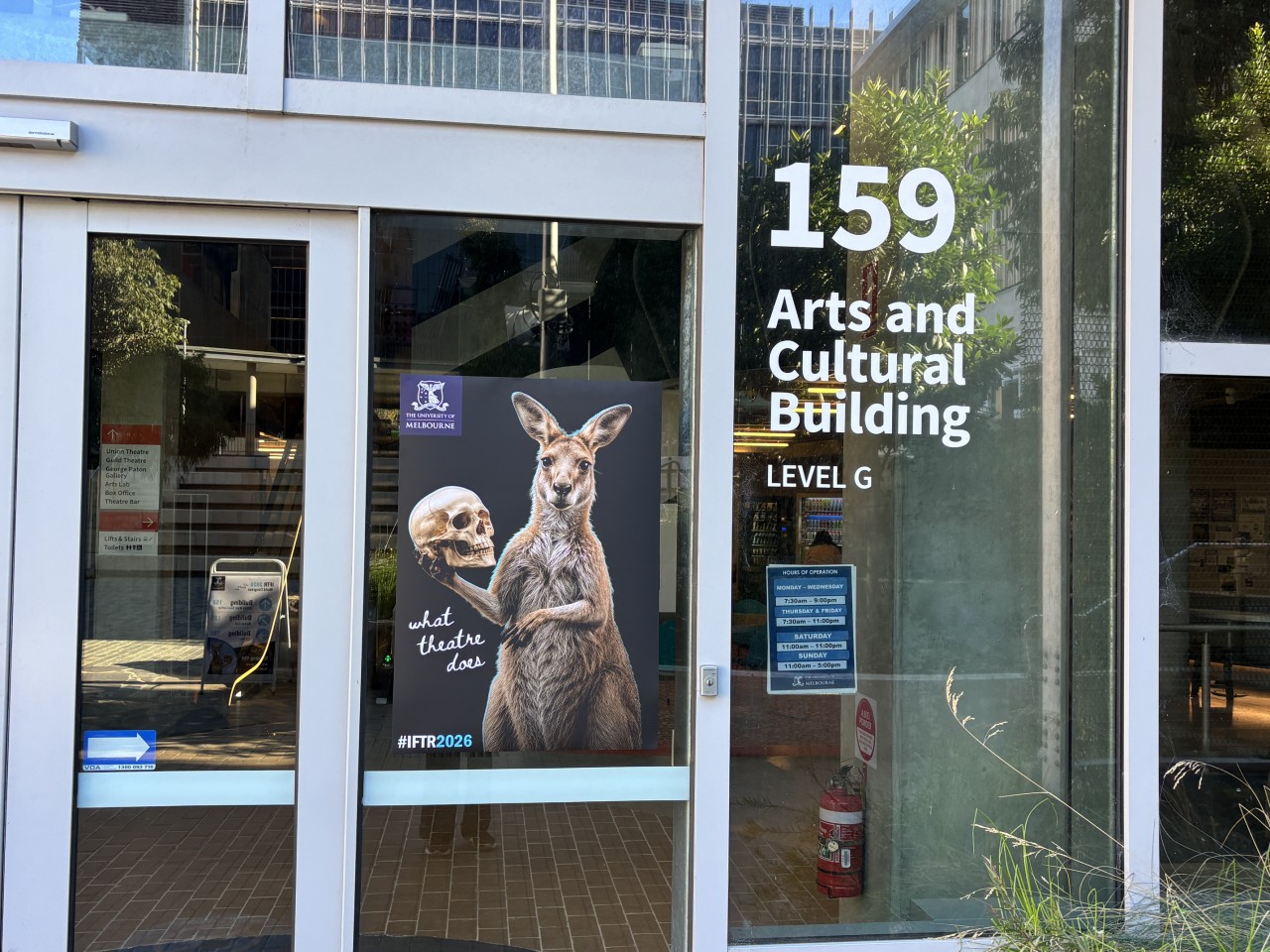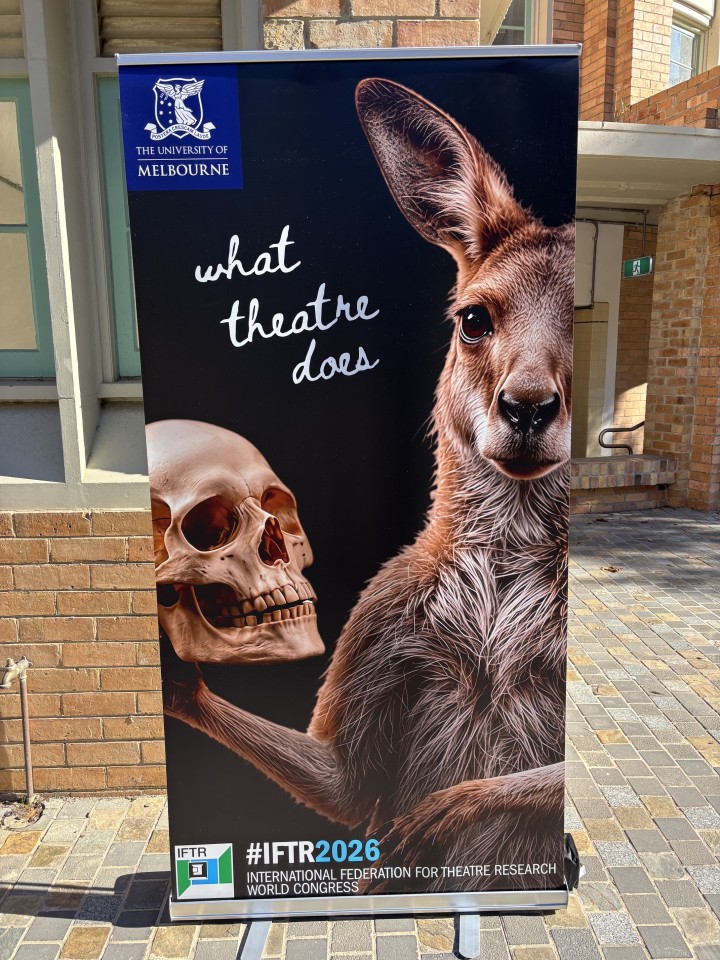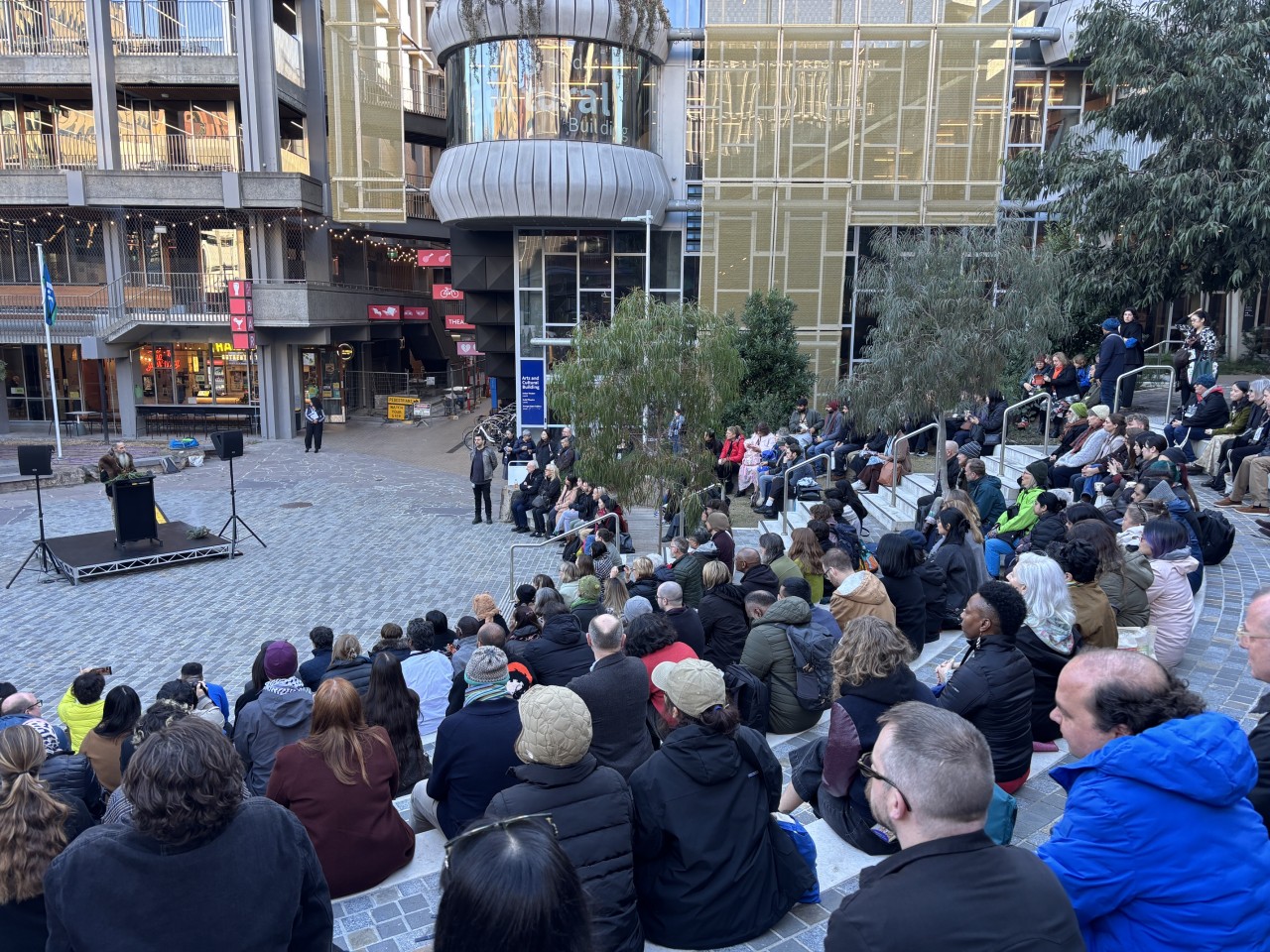
In early July, JVLMA researcher Lauma Mellēna-Bartkeviča travelled to Melbourne to participate in the International Federation for Theatre Research (IFTR) Congress What Theatre Does? The five-day conference, held at the University of Melbourne from 6 to 10 July, brought together more than 400 theatre researchers and practitioners from around the world to explore the question of what roles and functions theatre fulfils in contemporary society.
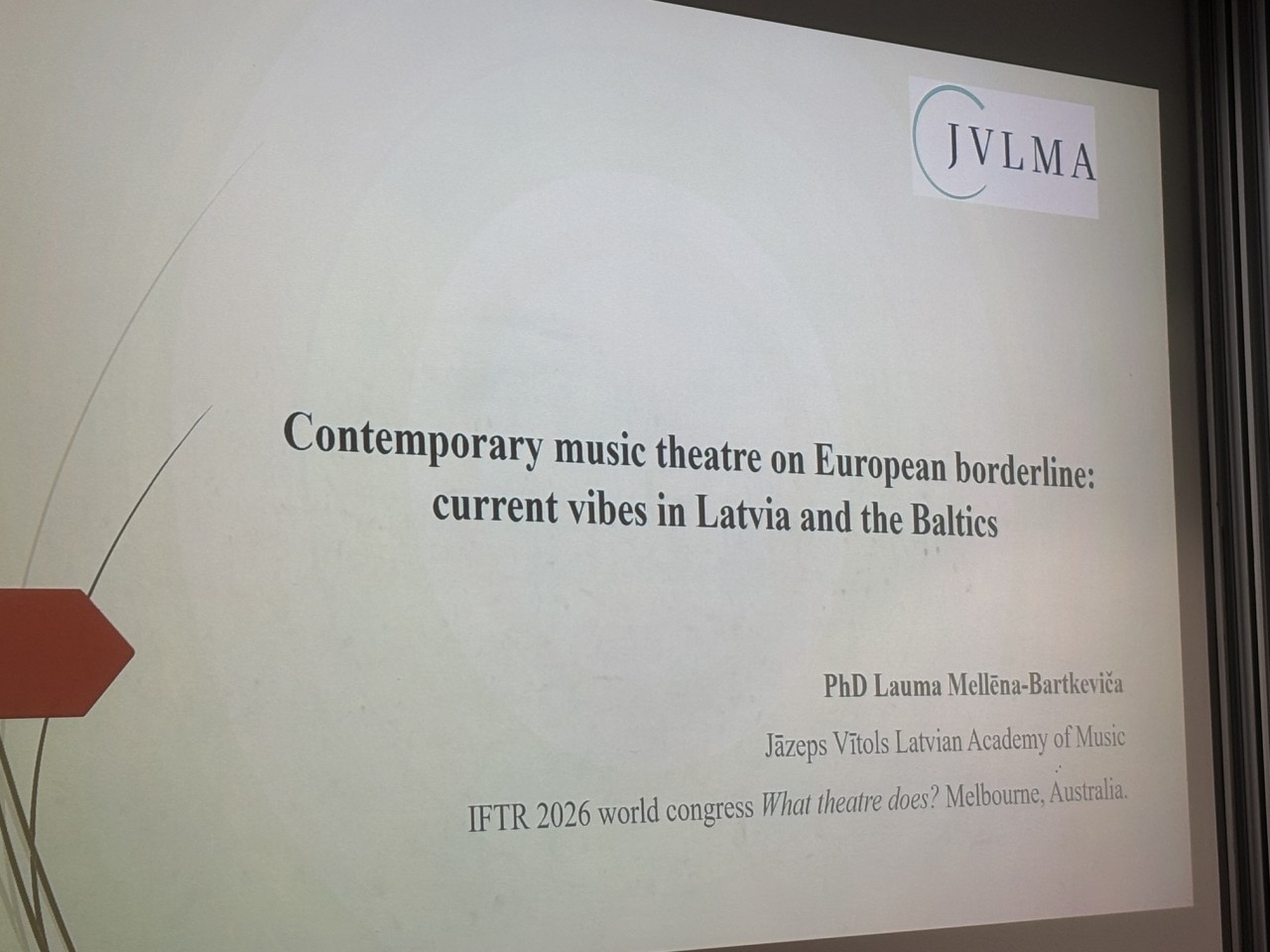
As a member of the Music Theatre Working Group, Lauma Mellēna-Bartkeviča presented her paper Contemporary Music Theatre on the European Borderline: Current Vibes in Latvia and the Baltics. Her presentation contributed to mapping contemporary music theatre developments in smaller countries, introducing the international research community to notable examples from Latvia and Lithuania that have emerged over the past decade, while also analyzing broader trends and the factors shaping the development of the genre.
The working group brought together music theatre scholars from Australia, the United Kingdom, Germany, Spain, Singapore and Japan. Participants provided feedback on the research and actively engaged in discussion. During the congress, Lauma Mellēna-Bartkeviča attended five working group sessions, three panel presentations, two networking events and one theatre performance.
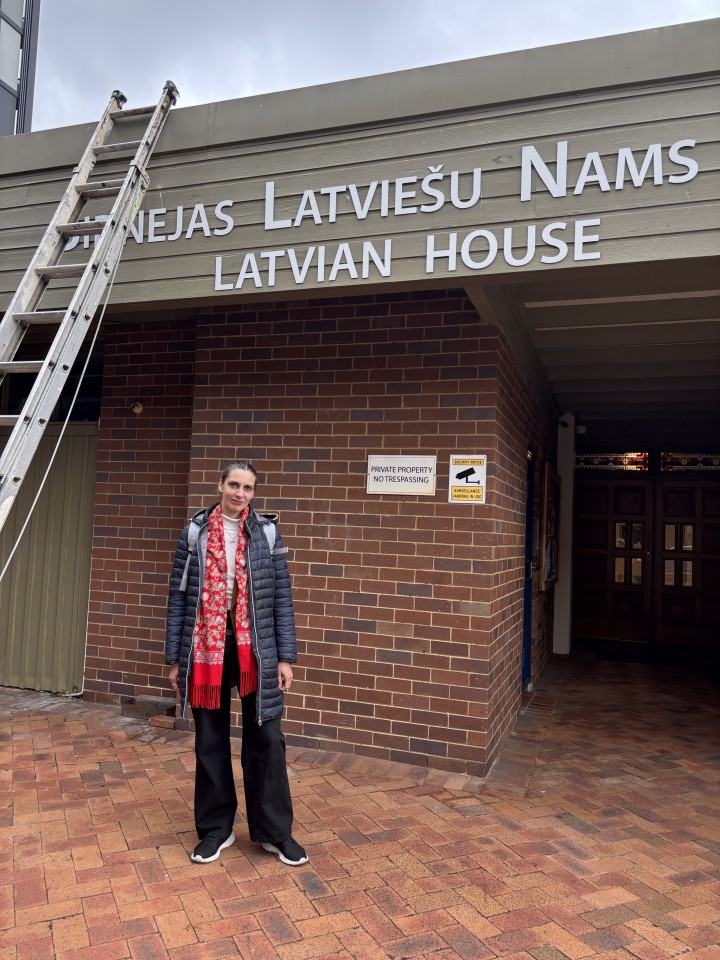
Following the congress, the researcher met with representatives of the Latvian communities in Melbourne and Sydney and visited the archives and library of the Latvian House in Sydney. There, she gathered materials related to Latvian tenor Kārlis Nīcis, who moved to Australia as early as 1928 and, following the Second World War, became one of the central figures in the Latvian community in Australia, particularly in Sydney. Nīcis was not only an initiator and organizer of numerous community events, but also a director of amateur theatre and an active promoter of Latvian cultural traditions.
The materials and information gathered during the research trip are expected to form the basis for a future scholarly article.